From Carriage Care to Modern Paint Protection
Auto detailing may feel like a modern luxury service, but its roots go much deeper than today’s ceramic coatings, microfiber towels, and machine polishers. Long before cars filled the roads, people were already caring for painted surfaces, leather, metal, and polished finishes on horse-drawn coaches, wagons, and harnesses.
In many ways, modern auto detailing is the evolution of those early preservation practices. The same basic goals remain: clean the surface safely, remove contamination, restore gloss, protect vulnerable materials, and help a vehicle look its best for as long as possible.

Where Auto Detailing Began
Before automobiles existed, coach and carriage owners relied on careful cleaning and polishing routines to maintain their vehicles. Painted coach bodies were cleaned, rubbed, refined, and dried with soft materials such as chamois. Leather harnesses were cleaned and conditioned with soaps, oils, and sponges.
When early automobiles arrived, many of these same habits carried over. The first cars used paint systems similar to carriage finishes, which required regular maintenance. Owners had to wash carefully, dry properly, and protect the finish because early automotive paint was far less durable than the clearcoat systems used today.

Paint Technology Changed Everything
One of the biggest turning points in the history of auto detailing was the development of automotive paint. Early vehicles often used slow-drying, oil-based finishes that required significant labor. As automotive manufacturing grew, paint technology had to become faster, more durable, and more visually appealing.
Over time, the industry moved through major paint innovations, including lacquer finishes, acrylic lacquers, electrocoating, and eventually the basecoat/clearcoat systems common on modern vehicles.
That shift changed the role of the detailer. Older paint often needed frequent waxing and restoration to bring back shine. Modern clearcoats are more durable, but they still need expert care to remove swirl marks, oxidation, bonded contaminants, water spots, and scratches.
That is where professional services like paint correction, ceramic coating, and paint protection film come in.
The Rise of Car Wax and Consumer Car Care
By the early 1900s, commercial car waxes and polishes became more common. As car ownership expanded, washing and waxing became part of regular vehicle ownership. In the postwar era, car culture grew rapidly, and a shiny vehicle became a symbol of pride.
Automatic car washes, consumer waxes, dealership prep departments, and car shows all helped turn vehicle appearance into a major industry. What started as basic washing and waxing eventually became a more specialized profession with trained technicians, dedicated products, and refined processes.
Today, professional detailing goes far beyond a simple wash. A true detail can include:
Hand Polishing to Machine Paint Correction
Another major advancement in detailing history was the development of better tools. Early polishing was done by hand, which required time, skill, and a lot of effort. Over time, sanding materials, polishing compounds, foam pads, microfiber towels, and machine polishers helped make paint correction more consistent and effective.
Modern polishers allow trained detailers to safely remove or reduce defects such as:
- Swirl marks
- Light scratches
- Hazy paint
- Oxidation
- Water spot etching
- Buffer trails
- Wash-induced marring
This is especially important because modern clearcoat is thin. Removing defects safely requires experience, proper lighting, the right pad and polish combination, and an understanding of how much correction is appropriate.
Modern Vehicle Protection
For decades, wax was the standard for protecting paint. Wax still has a place in car care, but modern ceramic coatings have changed what vehicle owners can expect from paint protection.
A ceramic coating creates a durable protective layer over the vehicle’s paint. When installed correctly, it can help improve:
- Gloss
- Hydrophobic water behavior
- Ease of washing
- Resistance to environmental contamination
- Long-term paint protection
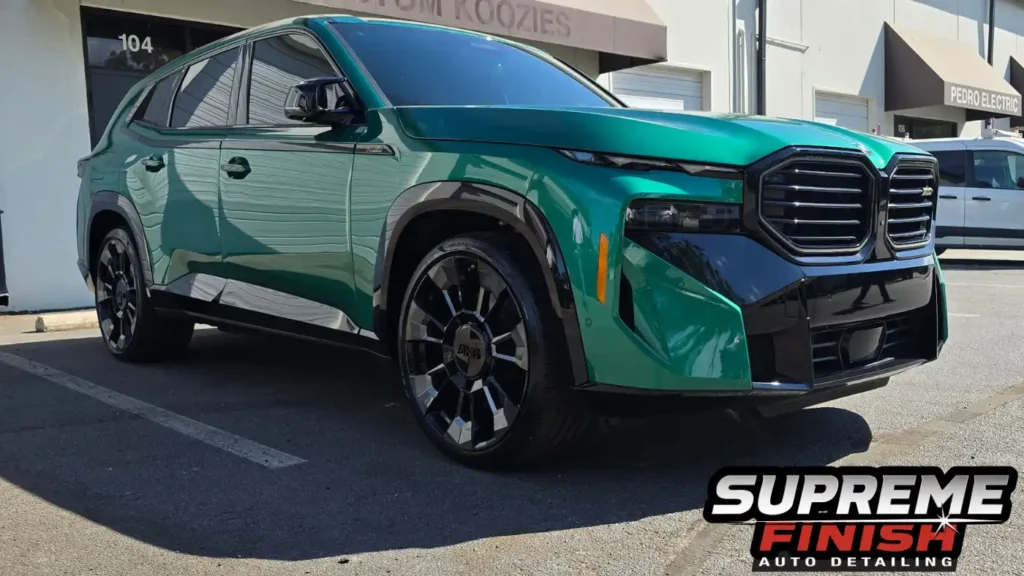
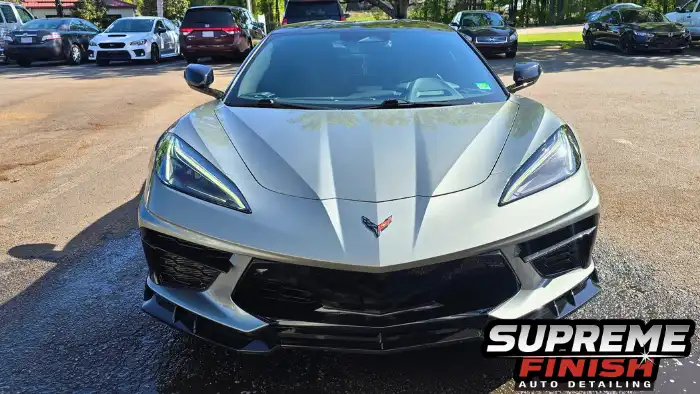
Unlike traditional waxes that may last weeks or months, professional ceramic coatings are designed for longer-lasting protection. They are especially popular with drivers who want their vehicle to stay cleaner longer and maintain a high-gloss finish.
Professional Detailing Matters
It is easy to think of detailing as cosmetic, but professional detailing is also preventative maintenance. Dirt, road salt, brake dust, bird droppings, tree sap, UV exposure, and improper washing can all damage your vehicle over time.
A professional detail helps by:
- Removing harmful contamination
- Preserving paint, trim, leather, and glass
- Reducing long-term wear
- Improving resale value
- Making routine maintenance easier
- Restoring pride of ownership
For busy drivers in Raleigh, Wake Forest, Durham, Cary, and the surrounding areas, professional detailing is a smart way to keep a vehicle looking newer for longer.


Auto Detailing Has Always Been About Preservation
From horse-drawn carriage care to today’s ceramic coatings and paint protection film, the history of auto detailing is really the history of protecting valuable surfaces. Products, tools, and technology have changed, but the goal remains the same: keep your vehicle clean, glossy, protected, and enjoyable to drive.
Whether your car needs a deep interior and exterior detail, paint correction, ceramic coating, PPF, window tint, or a long-term maintenance plan, Supreme Finish Auto Detailing in Raleigh, NC, is here to help.