From Heat-Absorbing Glass to Ceramic Film
Window tinting is often seen as a modern upgrade for style, privacy, and comfort. But the history of window tinting goes much deeper than dark windows or sleek vehicle appearance.
Automotive window tinting began with safety glass and heat-absorbing automotive glazing before evolving into the high-performance window films used today.
Over time, tint technology has moved from factory-tinted glass to reflective films, dyed films, metallized films, ceramic films, and advanced infrared-rejecting products designed to reduce heat without making windows excessively dark.
Window Tinting Started with Automotive Glass
Before aftermarket tint film existed, automakers and glass manufacturers were already working on ways to make vehicle glass safer and more comfortable.
One of the most important early developments was laminated safety glass. Laminated glass helped improve occupant safety by reducing the risk of shattered glass causing severe injuries. Once automobiles had a safer and more reliable glass foundation, manufacturers could begin exploring solar control, glare reduction, and tinted glazing.
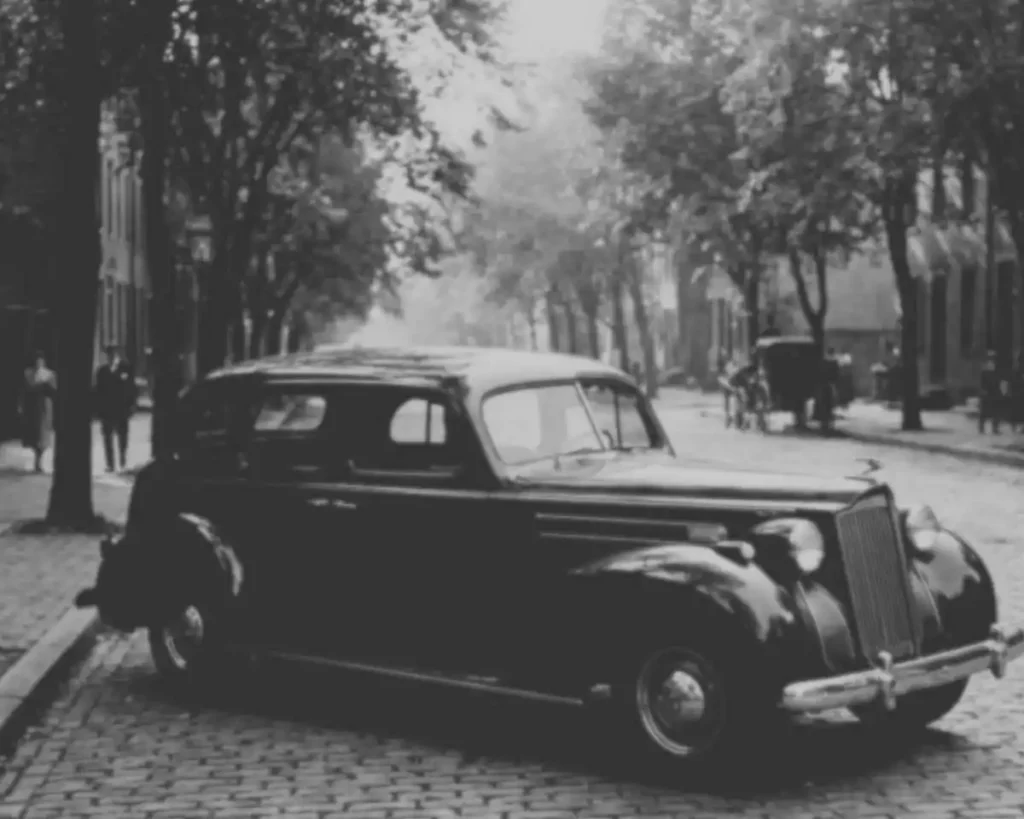
By the 1930s, heat-absorbing automotive glass was already being introduced. This early form of tint was not a film applied after the vehicle was built. Instead, the tint was part of the glass itself.
These glass products often had a light green, blue, or bronze appearance and were designed to reduce solar heat and glare.
In other words, the first version of automotive tinting was not about making windows dark. It was about comfort, visibility, and better driving conditions.
The Birth of Modern Window Film
The modern window film industry began to take shape in the 1960s. A major milestone came in 1965, when 3M inventors filed a patent for a transparent reflective polyester-based sheet material. The patent, issued in 1966, described a thin, flexible film with reflective properties and an adhesive system that could be applied to glass.
That development helped create the basic foundation for modern window tint:
- Clear polyester film base
- Solar-control layers
- Adhesive for glass installation
- Protective coatings
- Optical clarity for visibility
Early window films were often more common in architectural applications before becoming popular in the automotive world.
As the vehicle market grew, manufacturers began developing films better suited for curved glass, vehicle interiors, and automotive safety requirements.
Dyed, Metallized, and Reflective Films
As aftermarket tinting became more popular, different film types began to appear. Early automotive tint films often used dyed or metallized constructions.
Dyed window film helped reduce glare and improve appearance, but lower-quality versions could fade or turn purple over time.
Metallized window film improved heat rejection by using metallic layers to reflect solar energy. These films were more durable in many cases, but they could also create a reflective appearance and sometimes interfere with electronic signals.
Reflective films were especially recognizable in earlier tint eras. They provided solar control, but their mirror-like look was not ideal for every vehicle or every jurisdiction.
These early tint technologies helped prove there was strong demand for automotive window film. Drivers wanted cooler cabins, less glare, better privacy, and a more customized look.
Ceramic Window Tint Changed the Industry
Modern ceramic window tint represents one of the biggest advancements in automotive tinting.
Instead of relying on dye or metal, ceramic films use advanced non-metal materials designed to reject heat while maintaining optical clarity. This is why ceramic tint has become so popular among drivers who want strong performance without an overly dark or reflective look.
Ceramic tint can help provide:
- Improved heat rejection
- UV protection
- Reduced glare
- Better cabin comfort
- A cleaner vehicle appearance
- Strong optical clarity
- Less risk of signal interference compared with some metal-based films
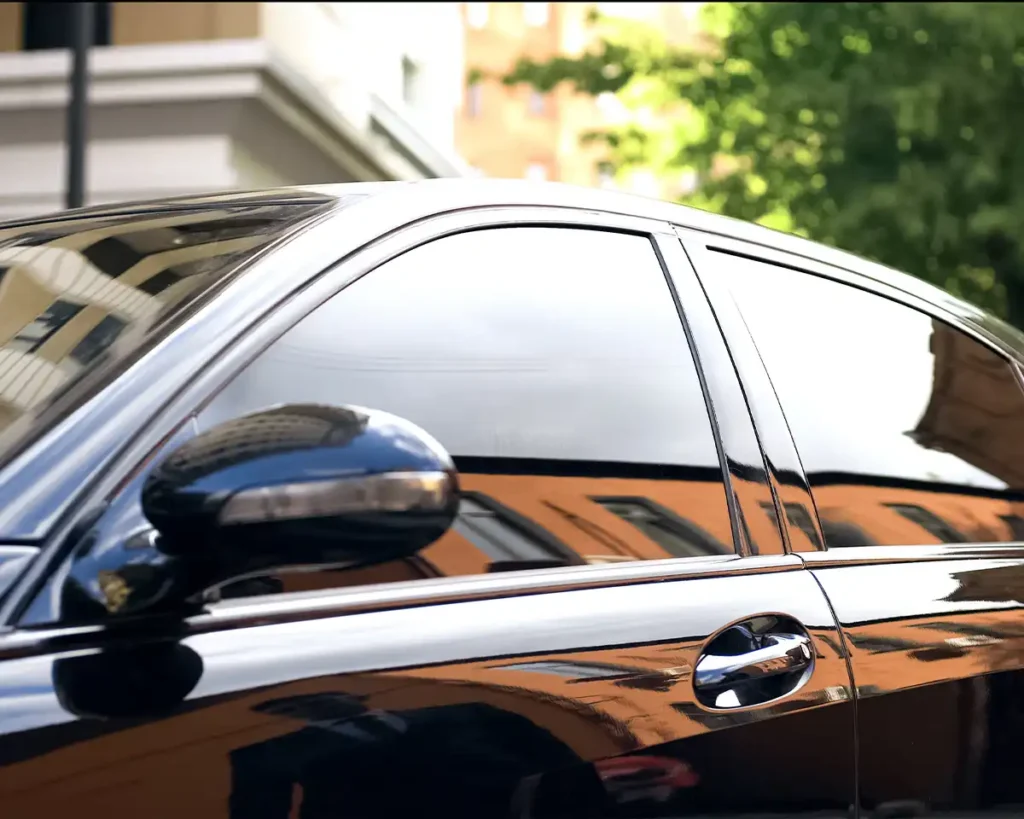
For many customers, ceramic tint is the ideal balance between style and performance. It helps make daily driving more comfortable, especially during hot Raleigh summers, while giving the vehicle a refined, finished look.
Window Tinting Became About More Than Privacy
Professional automotive window tint can help protect passengers and interiors from harsh sunlight. UV exposure can contribute to fading, cracking, and premature aging of interior surfaces such as leather, vinyl, plastics, and trim.
Tint can also reduce glare, making driving more comfortable during bright mornings, late afternoons, and sunny highway trips.
Window Tint Laws Shaped the Industry
Window tinting has always involved a balance between comfort, appearance, privacy, and visibility. That is why tint laws developed around visible light transmission, windshield restrictions, reflectivity, and safety.
In North Carolina, vehicles with after-factory tint must comply with state requirements. The North Carolina DMV states that tinted windows may not measure darker than 32 percent when tested with a North Carolina-approved window-tint meter. The DMV also states that windshield tint may not extend more than 5 inches below the top of the windshield or below the AS1 line, whichever is longer.
North Carolina General Statute 20-127 also addresses tint restrictions, reflectivity, color restrictions, and violations. It states that tinted film or other tinting material must be nonreflective and may not be red, yellow, or amber.
Because tint laws can change and may vary by vehicle type or medical exception, drivers should always confirm current requirements before choosing a film. A professional installer can help explain practical options, but legal compliance is ultimately important for every vehicle owner.
Why Professional Installation Matters
Window tint may look simple from the outside, but proper installation requires skill, preparation, and precision.
Professional tint installation helps avoid:
- Bubbles
- Peeling edges
- Dirt trapped under film
- Uneven cuts
- Poor visibility
- Purple fading from low-quality film
- Improper shade selection
- Non-compliant tint choices
Modern vehicles also have curved glass, tight seals, defroster lines, sensors, trim panels, and electronics that require careful handling. Professional installation helps ensure the film looks clean, performs properly, and lasts longer.
Window Tinting in Raleigh
At Supreme Finish Auto Detailing, we provide professional window tinting for drivers throughout Raleigh and the surrounding area. Whether you want a sleek appearance, better heat rejection, improved privacy, or a more comfortable driving experience, our team can help you choose the right option for your vehicle.
We are proud to be an award-winning Raleigh detail shop, voted among the Best Car Detailing Shops in Raleigh in 2023, with over 150+ Google reviews and a 5.0-star average.