How PPF Protects Cars From Winter Damage
Winter driving is tough on paint. Even in Raleigh and across the Triangle, cold rain, gritty road spray, and deicer residue can wear down your finish fast. The damage usually starts small. A few chips on the hood. Light scuffs on the bumper. Sand-blast wear along rocker panels. Then it adds up.
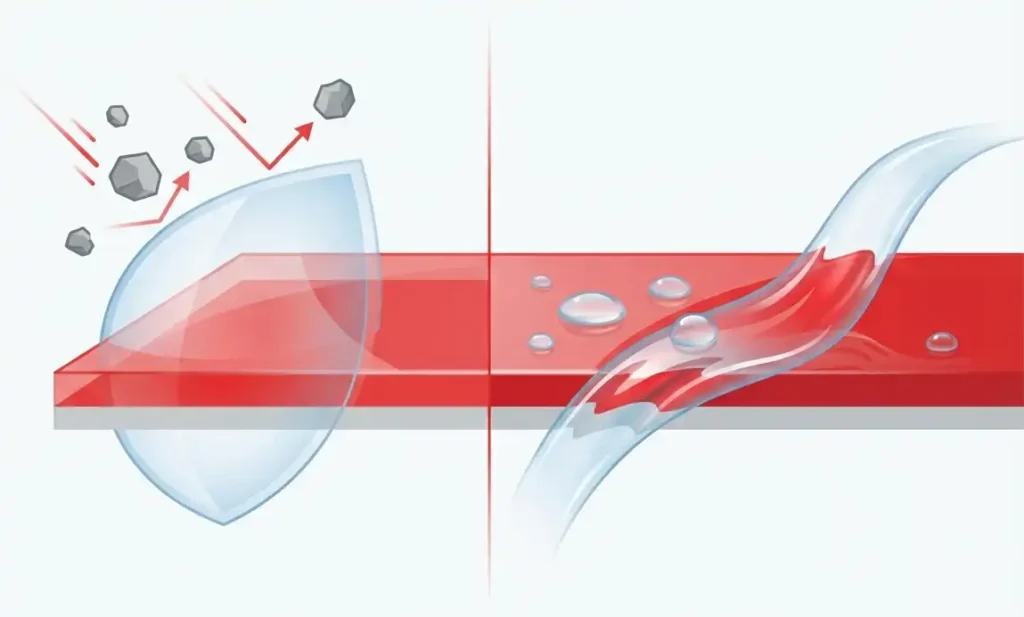
Paint Protection Film, also called PPF or clear bra, is built for exactly this. It is a clear, durable film applied to the most impact-prone areas of your vehicle. Instead of winter debris hitting your paint, it hits the film first. That means fewer chips, fewer scratches, and a finish that stays cleaner and looks newer longer.
Table of Contents
What Winter Road Damage Looks Like
North Carolina winters are not always snow and ice. The real issue is the mix of wet roads, grit, and traffic spray. Road film builds fast, and the abrasive stuff tends to collect on lower panels where people do the most wiping.
Common Winter Damage
- Rock chips peppering the hood and front bumper
- Road rash on the lower doors and rocker panels
- Fine scratching from gritty buildup
- Staining and dullness

What Is Paint Protection Film (PPF)?
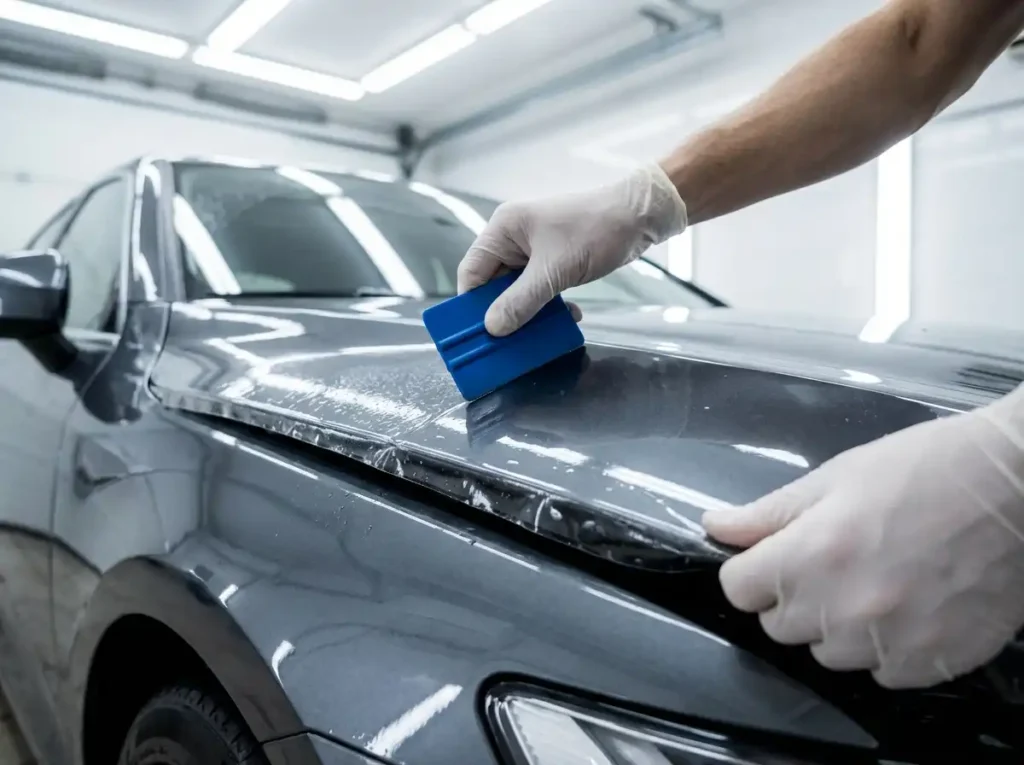
PPF is a clear urethane film that is professionally installed on exterior surfaces. It is designed to take abuse so your factory clear coat does not have to. You keep the look of your paint, but you add a protective layer that helps prevent damage before it starts.
Think of it like a transparent shield. It absorbs impacts, resists scuffs, and helps keep the surface underneath in better condition year-round.

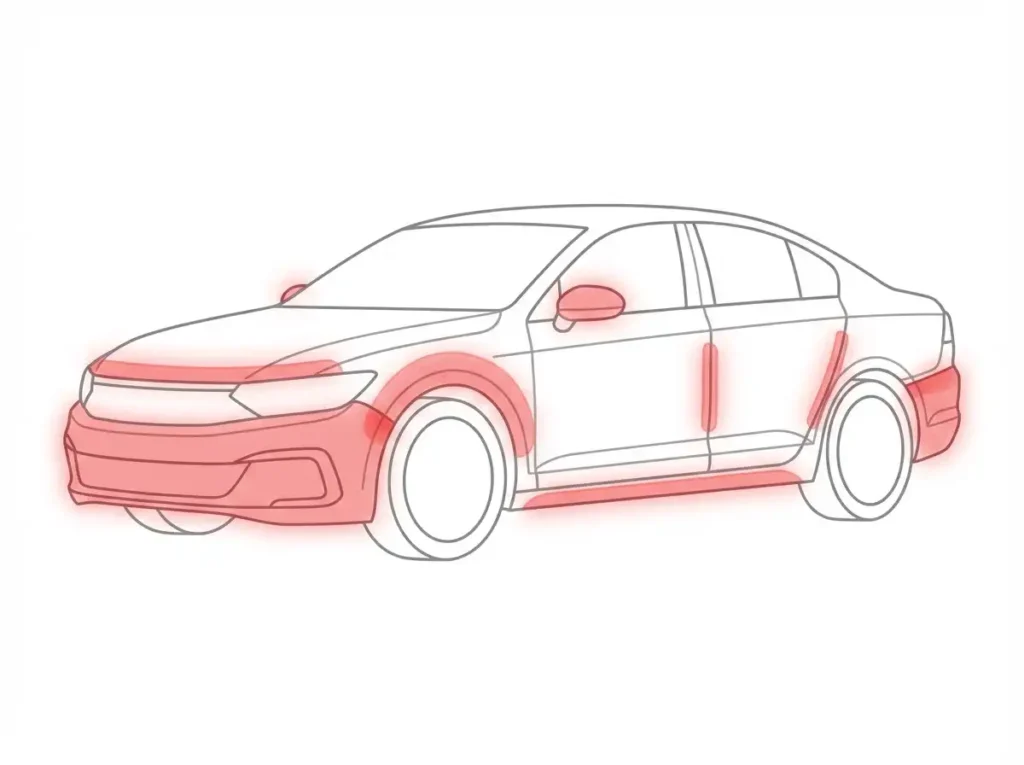
Areas PPF Protects Best in Winter
Winter damage is not evenly distributed. It concentrates in a few key zones where debris hits hardest and road spray stays heaviest.
PPF makes the biggest difference on:
- Front bumper
- Leading edge of the hood
- Front fenders
- Mirror caps
- Rocker panels and lower doors
- Door edges and handle cups
- Rear bumper loading area
Why PPF Works So Well in Winter
Winter road damage is mostly impact and abrasion. That is where PPF shines. It helps keep chips, scuffs, and minor scratching from reaching your paint.
PPF helps because it:
- Takes the hit from rock chips and gravel
- Reduces scuffing from road debris
- Helps prevent minor scratches from everyday contact
- Makes it easier to wash off winter road film

PPF vs Ceramic Coating in Winter
PPF and ceramic coating are both great upgrades, but they solve different problems. PPF is best for physical protection. Ceramic coating is best for easier maintenance and staying cleaner.
If your concern is winter chips and road rash, PPF is the stronger solution. If your main concern is winter cleanup and keeping the vehicle easier to maintain, ceramic can be a great complement.
PPF is best for:
- Rock chips
- Impact damage
- Scuffs and abrasion on high-hit areas
Ceramic coating is best for:
- Easier washing
- Better gloss retention
- Less sticking from road film and grime
How to Maintain PPF During Winter
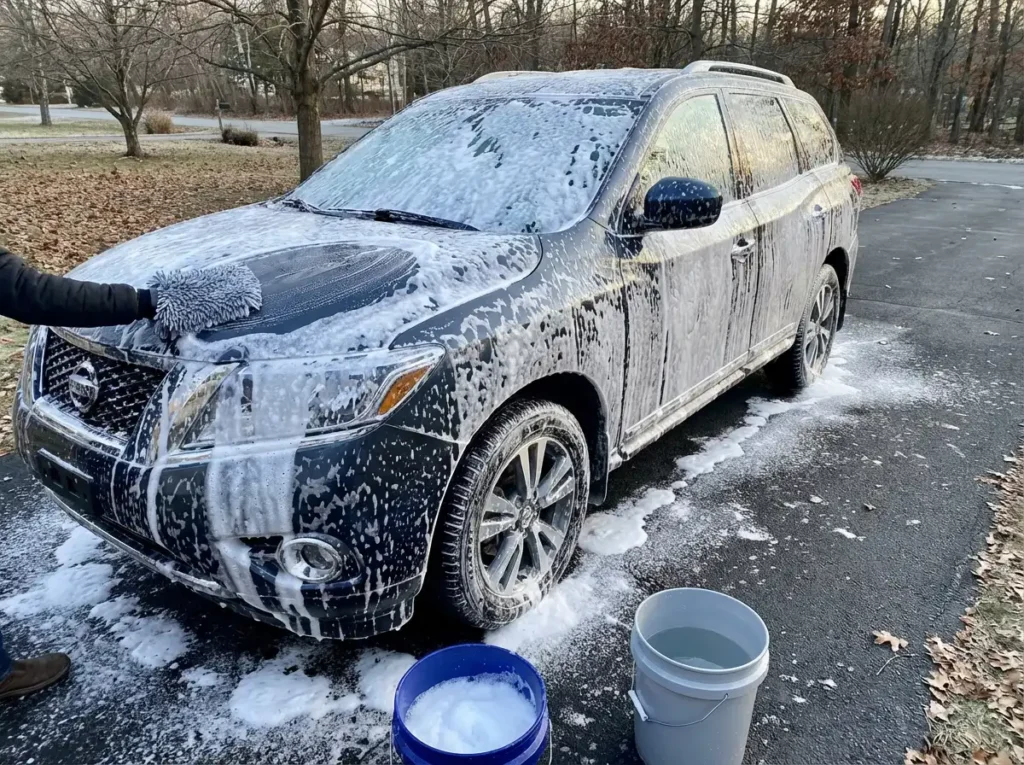
Winter maintenance does not need to be complicated. It just needs to be safe. The biggest risk is dragging grit across paint or film during quick cleanups.
A simple approach:
- Wash more often so grit does not build up
- Use a gentle hand wash instead of harsh brushes
- Avoid scrubbing lower panels when they are heavily soiled
- Rinse thoroughly before touching the surface
- Dry with clean towels to reduce marring
When to Get PPF Installed
The best time for PPF is before the damage starts. If your vehicle is new or recently corrected, PPF helps preserve that clean finish longer. If your vehicle already has chips, PPF can still protect what is left, but it will not erase existing damage.
If you are planning a lot of winter driving, getting ahead of it is the smart move.
Protect Your Vehicle With PPF in Raleigh
If you want to keep your paint looking sharp through winter, PPF is one of the smartest upgrades you can make. The Supreme Team can help you choose the right coverage based on how and where you drive.
Visit our Paint Protection Film page or call 919-794-7261 to request a quote and get your vehicle protected for the season.

Frequently Asked Questions
PPF helps protect your paint from rock chips, sand and grit spray, light scuffs, and abrasion that builds up during winter driving. It is especially effective on high-impact areas like the front bumper, hood edge, and rocker panels.
Yes. Even when North Carolina winters are mild, wet roads and gritty road film can still cause chipping and wear over time. PPF adds a physical barrier in the zones that take the most damage.
Absolutely. PPF is designed for impact protection, while ceramic coating helps with hydrophobics and easier maintenance. Many drivers choose PPF on the front and rockers, then ceramic coating for the rest of the vehicle.
High-quality PPF is designed to stay clear and look nearly invisible once installed. It preserves the factory finish while adding a protective layer over the paint.
It helps, but safe washing still matters. PPF can reduce minor wash abrasion, but grit dragged across the surface can still cause marring. A proper rinse and gentle hand wash is always the best approach.
Hand washing is best. Some automatic washes use harsh brushes or strong chemicals that can create swirls and wear edges over time. If you need a quicker option, touchless washes are typically safer than brush tunnels.
Longevity depends on the film, driving conditions, and maintenance. With professional installation and proper care, PPF is designed to provide long-term protection and maintain a clean appearance for years.
Start with the front bumper, hood leading edge, front fenders, and mirror caps. For winter road spray and grit, rocker panels and lower doors are also high-value areas to protect.
Yes. PPF can be applied to headlights, fog lights, and many glossy trim pieces to help prevent pitting, hazing, and minor scratching in high-impact zones.
Yes. Supreme Finish installs Paint Protection Film for drivers across Raleigh and the surrounding Triangle. Call 919-794-7261 to request a quote.